As discussions about expanding
USA online casino gaming continue, policymakers, operators, and players often look to international examples for insight. Belgium offers one of Europe’s most established regulated gambling systems, making it a useful case study for anyone interested in how a licensed online casino market can operate.
While Belgium and New York have different legal systems and gambling traditions, licensed online casinos in Belgium (casino en ligne réglementé Belgique) demonstrate several principles that offer valuable lessons. From player protection to responsible gambling, Belgium’s approach shows how clear regulation can create a safer and more sustainable online gambling environment.
Strong Regulation Builds Player Confidence
One of Belgium’s greatest strengths is its structured regulatory framework. Online casinos must obtain official authorization before offering gambling services to residents. Licensed operators are expected to follow strict rules covering security, responsible gambling, financial transparency, and fair gaming.
This level of oversight creates confidence among players. Bettors know they are using platforms that meet established legal standards rather than websites that operate without accountability. New York has already taken a regulated approach to online sports betting. If online casino gaming expands in the future, maintaining similarly strong licensing standards could help reinforce player trust while discouraging participation on unregulated websites.
Consumer Protection Should Remain a Priority
Successful gambling regulation goes beyond collecting tax revenue. It also focuses on protecting consumers throughout the betting experience. Belgium requires licensed operators to provide secure payment systems, transparent terms and conditions, customer support, and dispute resolution mechanisms. Players benefit from knowing there are legal protections if problems arise. For New York bettors, this highlights the importance of choosing regulated platforms whenever possible. Licensed operators offer greater accountability than offshore gambling sites that may fall outside U.S. legal oversight. Strong consumer protections also encourage long-term confidence in the industry.
Responsible Gambling Is Part of Good Regulation
Belgium places considerable emphasis on responsible gambling. Licensed operators are expected to provide tools that help players manage their gambling activity before it becomes problematic. Common responsible gambling features include:
- Deposit limits
- Spending controls
- Session reminders
- Temporary account suspension
- Self-exclusion programs
These tools encourage players to gamble within their personal budgets rather than chasing losses or spending beyond their means. New York has already introduced responsible gambling initiatives within its sports betting market. Expanding these protections across future online casino offerings would further support player wellbeing while promoting sustainable industry growth.
Licensing Creates Fair Competition
A regulated market benefits not only players but also licensed operators. In Belgium, every authorized casino must meet the same legal requirements, creating a level playing field. Rather than competing through questionable business practices, operators focus on improving customer service, technology, game selection, promotions, and responsible gambling measures.
Healthy competition encourages innovation while maintaining industry standards. As New York’s gambling market continues to grow, consistent regulation can help ensure that competition remains focused on quality instead of regulatory loopholes.
Fair Gaming Standards Matter
Trust plays an essential role in online gambling. Players want assurance that casino games produce random outcomes and that sportsbooks settle wagers fairly.
Belgium requires licensed operators to use certified gaming software that meets recognized fairness standards. Sports betting rules are also clearly defined, helping reduce confusion over wager settlement and payouts.
New York bettors can benefit from understanding why licensing matters. Choosing regulated operators reduces uncertainty while increasing confidence in both betting markets and casino games.
Secure Payments Encourage Long-Term Participation
Reliable payment systems are another advantage of regulated gambling markets. Identity verification procedures and secure payment processing help create a safer environment for both deposits and withdrawals.
Although verification checks sometimes require additional time, they serve an important purpose by protecting customer accounts and maintaining compliance with financial regulations. For bettors, reliable payment systems often matter just as much as competitive odds or attractive bonuses.
Technology Should Support Safety
Modern gambling increasingly depends on technology. Mobile apps, live dealer games, live betting, and digital payment solutions have transformed the player experience.
Belgium’s regulatory system continues to adapt as new technologies emerge. Regulators monitor developments and update rules addressing cybersecurity, player data protection, and digital gambling services.
This flexible approach demonstrates that regulation need not prevent innovation. Instead, it can create standards that allow new technology to develop responsibly. As New York’s online gambling industry evolves, maintaining this balance between innovation and consumer protection will become increasingly important.
Discouraging Illegal Gambling
One challenge faced by gambling regulators worldwide is the presence of unlicensed gambling websites. These platforms often advertise generous promotions or fewer restrictions but may provide limited consumer protection.
Belgium works to reduce the influence of unauthorized operators by maintaining a well-regulated market with licensed alternatives players can trust.
New York faces similar challenges. Educating players about the benefits of licensed platforms and enforcing gambling regulations can help steer customers toward legal operators that follow state requirements. Reducing participation in illegal gambling markets benefits both consumers and legitimate businesses.
Building a Sustainable Gambling Industry
One of the biggest lessons from Belgium is that long-term success depends on balance. Governments naturally seek economic benefits through licensing fees and tax revenue. Operators want profitable businesses. Players want entertainment, fairness, and security.
Effective regulation recognizes all three interests. Instead of focusing only on market growth, Belgium’s model demonstrates that consumer protection, responsible gambling, and fair competition contribute to a healthier gambling ecosystem over time. This balanced approach can help maintain public confidence while supporting continued investment and innovation within the industry.
Conclusion
Although Belgium and New York operate under different legal systems, the Belgian licensed online casino market offers several valuable lessons. Strong regulation, player protection, responsible gambling measures, secure payment systems, and fair competition all contribute to a more trustworthy gambling environment. For New York bettors, these principles reinforce the importance of choosing regulated platforms that prioritize transparency and consumer safety. For policymakers, Belgium’s experience shows that thoughtful regulation can support industry growth while protecting players’ interests.
As online gambling continues to expand, markets that balance innovation with accountability are likely to provide the most sustainable path forward for both operators and consumers.






 Gambling rules vary widely across the world. This is especially true when comparing international platforms to state-level regulations in the United States.
 Where you can locate them is the main differentiator. Locations like the Catskills and Niagara Falls are typical of commercially held land where casinos are located. In contrast, you can find tribal casinos spread out over the state, located on sovereign tribal reservations.









 More and more Italians engage in online betting each year, yet many face the challenge of stepping back when the thrill turns risky. Gambling, with its quick highs and hidden lows, touches lives across borders. In Italy, the AAMS self-exclusion program stands as a shield, much like New York’s own safeguards. These tools let players pause, breathe, and reclaim control. But what happens when the pause feels too long? For Italians eyeing New York-based platforms, understanding these differences can light the way to safer play.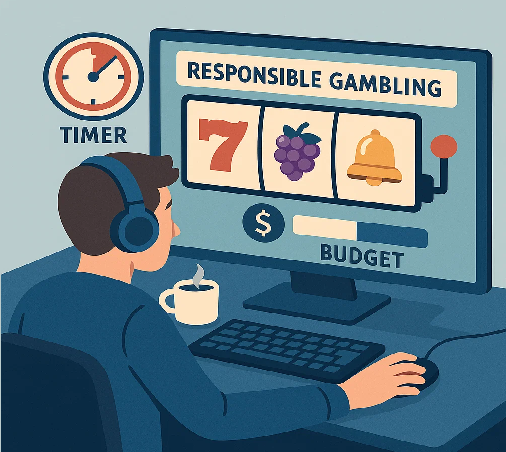





 Look for casinos using cutting-edge encryption technologies to guard your money and personal data.
 New York residents face unique challenges when it comes to online gambling. While brick-and-mortar casinos exist in certain areas, online options remain restricted. This doesn’t mean New Yorkers must miss out on the thrill of Togel, a popular numbers game. Trusted Togel agents offer a safe and convenient way to play online, even with New York’s regulations.