Gambling Laws in New York and Where Non-UK Casinos Fit
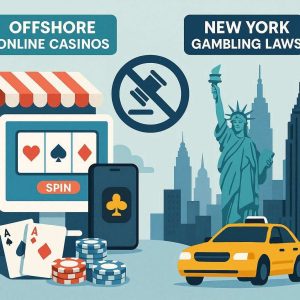 Gambling rules vary widely across the world. This is especially true when comparing international platforms to state-level regulations in the United States. New York is one of the most tightly regulated gambling markets in the country. Even so, casinos non UK continue to attract attention from players in and around New York.
New York has strict gambling laws. The state allows certain forms of gambling, such as state-regulated casinos and mobile sports betting. Online casino gaming, however, is still limited under state law.
Because of these restrictions, some players look for alternatives. Casinos non-UK operate outside both UK and US state regulation. These platforms are licensed in other countries and serve an international audience.
Non-UK casinos are not based in New York and do not fall under state oversight. This places them in a legal gray area for players. While many people access these platforms, they are not officially regulated by New York authorities.
The difference lies in jurisdiction. New York law applies to operators within the state. Offshore casinos operate under foreign licenses. This is why access is technically possible, even if protections differ.
Understanding this distinction is important. Access does not always mean legal approval. Players should be aware of local laws and risks before registering.
Why Some New York Players Use Non-UK Casinos
One reason is game availability. Many non-UK casinos offer full online casino games, including slots and table games. These are limited on state-regulated platforms in New York.
Bonuses also attract players. Offshore casinos often provide larger welcome bonuses and ongoing promotions. These offers are usually more generous than those found on regulated US platforms.
Another factor is account flexibility. Non-UK casinos may have faster sign-up processes and fewer checks. Some players prefer this convenience. Others value access to international game providers.
Payment methods can also be appealing. Many offshore casinos support digital wallets and cryptocurrencies. These options may offer faster deposits and withdrawals.
Some players also enjoy access to international betting markets. Non-UK casinos often combine casino games with sports betting and live dealer options. This creates a broader entertainment experience.
Despite these benefits, players should remain cautious. Convenience should never outweigh safety and awareness.
Risks, Compliance, and Responsible Use
The biggest concern with non-UK casinos in New York is lack of local protection. If a dispute occurs, state regulators cannot assist. Players must rely on the casino’s foreign licensing authority.
There is also the risk of unclear terms. Bonus rules, withdrawal limits, and account policies may differ. Reading the terms carefully is essential before depositing funds.
Security is another key point. Trusted casinos use encryption and secure payment systems. Players should avoid platforms with poor design, missing license details, or unrealistic offers.
Responsible gambling is especially important. Offshore casinos may not enforce spending limits. Players should set personal boundaries and track their activity closely.
It is also wise to consult local laws. Regulations change, and enforcement may vary. Staying informed helps reduce legal and financial risk.
Choosing well-known and reviewed platforms can make a difference. A casino’s reputation often reflects how it treats players.
Casinos non-UK remain part of the global gambling landscape. For some players in New York, they offer access to games and features not available locally. However, this access comes with added responsibility. Understanding jurisdiction, regulation, and personal risk is essential. Gambling should always be approached with caution and control. Informed decisions help keep the experience safe and enjoyable.