
Laws, Trends, and What Players Should Know When Gambling in New York
 New York has become one of the most important gambling markets in the United States. Known for its massive population, strong sports culture, and economic influence, the state has transformed from a region with limited gambling options into a major player in sports betting, casinos, horse racing, and online wagering. For residents and visitors alike, when they open the site, understanding New York’s gambling laws is essential because the legal landscape continues to evolve.
New York’s gambling industry is shaped by politics, public demand, and revenue opportunities. State lawmakers have increasingly recognized gambling as a source of tax income and economic development. At the same time, regulations are designed to protect consumers and maintain control over a growing market.
For beginners, New York gambling laws may seem complicated because different forms of betting are treated differently. Sports betting, horse racing, casinos, lotteries, and online gaming each have separate legal frameworks. Knowing what is legal, where to play, and how to gamble responsibly can help players avoid confusion and make safer choices.
The Legal Gambling Landscape in New York
New York offers several legal gambling options, but each comes with specific rules. One of the biggest changes in recent years has been the legalization of mobile sports betting. This has made it possible for eligible adults within state lines to place sports wagers online through licensed operators.
Retail sportsbooks are also available at approved casinos. This means players can bet in person or online, depending on their preferences. The rise of legal sports betting has significantly changed how New Yorkers engage with major events like the Super Bowl, NBA playoffs, and March Madness.
Horse racing has long been part of New York’s gambling identity. Iconic tracks such as Saratoga Race Course and Belmont Park have deep historical roots. Horse betting remains legal and popular both in person and through approved wagering platforms.
Casinos are another major part of the state’s gambling ecosystem. Commercial casinos and tribal casinos operate legally in designated areas. These venues often include slot machines, table games, poker, and entertainment experiences.
The New York Lottery is also a legal and highly visible form of gambling. Scratch-off games, draw games, and multi-state lotteries contribute significant revenue to public programs.
However, not all gambling is universally legal. Online casino gaming, such as digital slot machines or online table games, may face more restrictions depending on legislative developments. This is why players should always verify whether a platform is licensed and approved within the state.
Sports Betting Growth in New York
Sports betting has quickly become one of New York’s most talked-about gambling sectors. Since legal mobile betting launched, New York has generated billions in handle, making it one of the largest sports betting markets in the country.
Several factors drive this growth. New York has passionate sports fans who follow teams across football, basketball, baseball, and hockey. The convenience of mobile betting apps has also made wagering more accessible than ever.
Major operators compete aggressively in New York, often offering promotions, bonuses, and user-friendly platforms. This competition has increased consumer choice while also generating substantial tax revenue for the state.
New York’s tax rate on sports betting operators is among the highest in the nation. While this can impact operator profits, it has created major funding opportunities for state programs.
Bettors should understand that legal sportsbooks provide better protections than offshore or unregulated sites. Licensed operators must meet security, fairness, and responsible gambling standards.
Casinos, Racetracks, and Traditional Gambling
Beyond sports betting, New York remains a major destination for traditional gambling experiences.
Commercial casinos upstate and tribal casinos across the state offer gaming options that include blackjack, roulette, poker, and slot machines. These venues often combine gambling with tourism, dining, and live entertainment.
New York City itself has historically had fewer casino options compared to other major metropolitan areas, but political discussions around expansion continue.
Horse racing remains one of New York’s most historic gambling sectors. Events like the Belmont Stakes are not only major sports occasions but also key parts of the betting economy.
Off-track betting and simulcast wagering have also expanded access to horse racing without requiring attendance at a physical track.
These traditional gambling sectors continue to evolve alongside digital betting trends.
Responsible Gambling and Consumer Protection
As gambling access expands, responsible gambling has become increasingly important in New York.
State regulations often require licensed operators to provide tools such as deposit limits, self-exclusion programs, and educational resources. These protections aim to reduce the risks of gambling addiction.
Players should always set budgets before betting and avoid chasing losses. Legal gambling should remain entertainment, not financial pressure.
Age restrictions also apply. Most forms of gambling require participants to meet minimum age requirements, often 21 for casinos and sports betting.
New York’s focus on consumer safety also includes monitoring for fraud, illegal betting activity, and underage access.
Trends Shaping the Future of Gambling in New York
New York’s gambling market continues to change. Mobile technology, advertising growth, and shifting legislation all influence the future.
Online casino legalization remains a topic of political discussion. Some policymakers view it as a revenue opportunity, while others raise concerns about social impact.
Esports betting and emerging digital markets may also shape future regulations.
Advertising has become more visible, particularly around sports events. This has increased awareness but also raised questions about responsible marketing.
Competition from neighboring states can also influence New York policy, especially if surrounding markets expand gambling offerings.
New York’s gambling industry is larger, more diverse, and more accessible than ever before. From sports betting and horse racing to casinos and lotteries, players have multiple legal ways to participate.
However, understanding the law is essential. Not every form of gambling is regulated the same way, and legal platforms offer far better protections than risky alternatives.
For beginners, the best approach is simple: learn the rules, choose licensed operators, set clear limits, and focus on responsible entertainment.
New York’s gambling market will likely continue evolving as technology, politics, and consumer demand shape new opportunities.
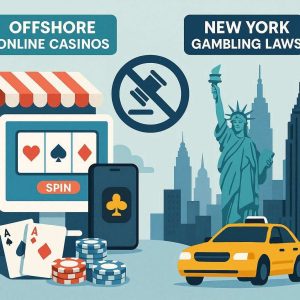 Gambling rules vary widely across the world. This is especially true when comparing international platforms to state-level regulations in the United States.